
Article Directory
Xpeng's Robotaxis: Not Just Cars, But a Glimpse Into Our Autonomous Future
It's easy to get bogged down in the day-to-day tech news cycle, isn't it? New phones, faster chips, incremental updates. But every so often, a story breaks that just screams of the future, a true paradigm shift. And Xpeng's recent announcement about their robotaxi program? Folks, this is one of those moments.
Xpeng, the Chinese EV maker, isn't just building electric cars anymore. They're building the future of transportation, and they're doing it with a level of AI integration that honestly makes my head spin. They're talking about launching robotaxis next year, powered by their own "Turing" AI chips—a whopping 3,000 TOPS of computing power. 3,000 TOPS! That's like taking the processing power of a supercomputer and sticking it in a car. The implications are huge, and frankly, it’s a bit breathtaking.
The Inflection Point
What really caught my attention was Xpeng co-president Brian Gu's change of heart. Just last year, he was saying robotaxis weren't a near-term business. Now? He's talking about an "inflection point," driven by the rapid advancements in AI and computing power. "The tech is happening faster than we anticipated," he said, and you know what? I believe him.
Think about it: self-driving cars aren't just about convenience. They're about accessibility, sustainability, and completely reimagining our cities. Imagine a world where transportation is a service, not a burden; where cars are shared, electric, and optimized for efficiency. Where elderly or disabled people can regain their freedom of movement. This isn't just about getting from point A to point B; it's about unlocking human potential.
This reminds me of the printing press. Before Gutenberg, knowledge was carefully guarded and copied by hand. The printing press democratized information, sparking the Renaissance and changing the course of history. Self-driving technology has the potential to do the same for mobility. It will democratize access to transportation and create a new era of freedom.
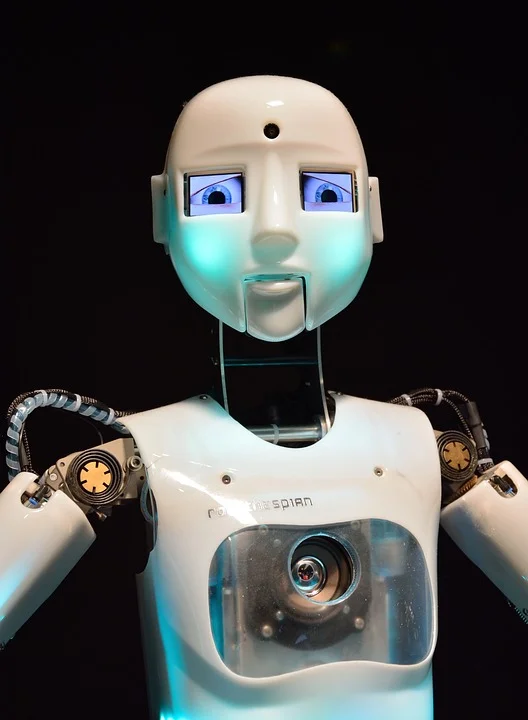
But with great power comes great responsibility, right? As we hand over the keys to AI, we need to think carefully about safety, ethics, and the potential for unintended consequences. How do we ensure that these systems are fair, transparent, and accountable? How do we protect against bias and misuse? These are tough questions, but they're questions we must answer if we want to build a future that benefits everyone.
Alibaba's partnership with Xpeng through AutoNavi and Amaps is also huge. It's not just about the technology itself, but about the ecosystem that's being built around it. It's about integrating self-driving cars into the fabric of our daily lives, making them as seamless and intuitive as possible.
And speaking of seamless and intuitive, the Xpeng robotaxi's external display of speed and other information on the sun visors is a stroke of genius. It's a small detail, but it shows that they're thinking about the human element, about how people will interact with these vehicles in the real world.
Xpeng plans to start testing robotaxis in Guangzhou and other Chinese cities next year. This is just the beginning. It's a bold move, but it's exactly the kind of bold move that's needed to push the boundaries of what's possible. According to Chinese EV maker Xpeng to launch robotaxis, humanoid robots with self-developed AI chips, Xpeng also plans to launch humanoid robots with self-developed AI chips.