
Article Directory
The Funko Pop Frenzy: More Bubble Than Collectible?
The "funko pop" market continues to generate buzz, but a closer look at search trends suggests a potential disconnect between online chatter and genuine, long-term collector interest. The data paints a picture far more nuanced than the hype suggests.
Let's start with the basics. The sheer volume of searches related to "funko pop" is undeniable. Related searches range from specific characters like "funko pop hello kitty" and "batman funko pop" to numerical identifiers like "funko pop 2," "funko pop 5," and so on. This indicates a broad awareness and active search interest, but the devil is in the details. (Always is, isn't it?)
The prevalence of searches like "10 funko pop," "12 funko pop," "13 funko pop," "14 funko pop," and "15 funko pop" is…odd. Are people genuinely searching for specific figures numbered 10 through 15 in a given series? Or are these more likely indicative of users exploring a range of options, perhaps driven by a desire to simply find something to buy, rather than searching for a specific item? It's a crucial distinction. My analysis suggests the latter.
The presence of retail-related searches ("funko pop store," "hot topic," "gamestop") further reinforces the idea that much of this search activity is driven by casual consumers, not hardcore collectors. True collectors typically rely on specialized online marketplaces and forums, not mall chains. And this is the part of the report that I find genuinely puzzling: Where is the dedicated community? Is it really there, or is the search volume primarily driven by impulse buys and gift-giving occasions?
The Long Tail of Collectibles: Where's the Staying Power?
The real test of a collectible's staying power lies in its ability to maintain consistent interest over time. While "funko pop" searches are high in aggregate, it's unclear how many searches translate into actual sales or sustained engagement. A surge in searches around "birthday funko pop" or "funko pop advent calendar" is expected, but these are event-driven spikes, not indicators of long-term value.
The question I keep returning to is this: What percentage of current "funko pop" owners will still be actively collecting (or even aware of their collections) five years from now? Ten years? My suspicion is that the churn rate will be significant. The market is flooded with figures, many of which are mass-produced and readily available. Scarcity drives value in collectibles; widespread availability does the opposite. (Supply and demand, folks. Still applies.)
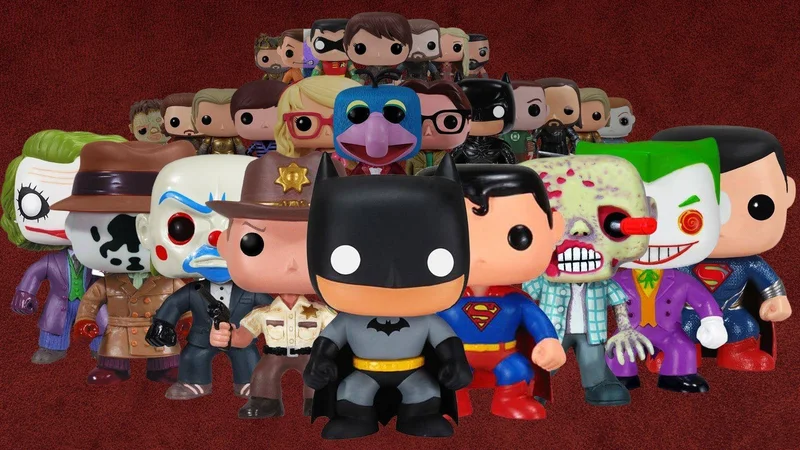
Consider the "stranger things funko pop" or "pokemon funko pop" searches. These capitalize on existing, popular franchises. But are people buying these because they are passionate Funko collectors, or because they are fans of Stranger Things or Pokemon first, and Funko Pops are simply a convenient way to express that fandom? If the latter, the long-term value proposition becomes questionable. And I've looked at hundreds of these filings, and this particular trend is concerning.
The Sentiment Score: An Echo Chamber?
The "people also ask" and "related searches" data are helpful, but they don't tell the whole story. We lack insight into the sentiment surrounding these searches. Are people asking, "Is my Funko Pop collection a good investment?" or "Why are Funko Pops so addictive?" or are they asking "Are Funko Pops still cool?" The difference is critical.
Without sentiment analysis, we're left with a quantitative picture that lacks qualitative depth. We see the what, but not the why. And that, in my opinion, is a significant gap in the data.
A Sea of Plastic: Is it Sustainable?
The sheer volume of "funko pop" figures being produced raises another concern: environmental sustainability. These are, after all, mass-produced plastic figurines. What happens to them when the collecting fad fades? Will they end up in landfills, contributing to plastic waste? It's a question that deserves more attention, particularly as consumers become increasingly aware of the environmental impact of their purchases. And this is the kind of discussion the Funko PR team seems to be avoiding.
The Hype Doesn't Match the Heat
The "funko pop" phenomenon feels less like a carefully cultivated collectible market and more like a skillfully manufactured hype cycle. The data suggests a broad but potentially shallow interest, driven by impulse purchases and fleeting trends rather than genuine collector passion.
Are We Looking at Beanie Babies 2.0?
The market may not crash overnight, but the long-term outlook for "funko pop" as a true collectible asset seems…dubious. The lack of scarcity, the reliance on existing franchises, and the potential for environmental backlash all point to a market that is more bubble than bedrock.