
Article Directory
Macau's Doors Swing Wider: A Glimpse Into Tomorrow's Talent Hub
The news out of Macau isn't just about gaming revenue or torch relays; it's a signal flare illuminating the path to a more connected, innovative future. China's National Immigration Administration is expanding its talent visa policy, and the ripples will be felt far beyond the casino floors. Effective November 5, 2025, the policy will encompass the entire Yangtze River Delta and Beijing-Tianjin-Hebei regions, plus all national pilot free trade zones. This means outstanding talent – researchers, educators, healthcare professionals, legal minds – can snag multiple-entry visas, valid for up to five years, to Hong Kong and Macau. This isn’t just about easing travel; it’s about igniting collaboration. China expands areas for pilot program allowing mainland talent to travel to and from Hong Kong and Macau - IAG – Inside Asian Gaming This isn’t just about easing travel; it’s about igniting collaboration.
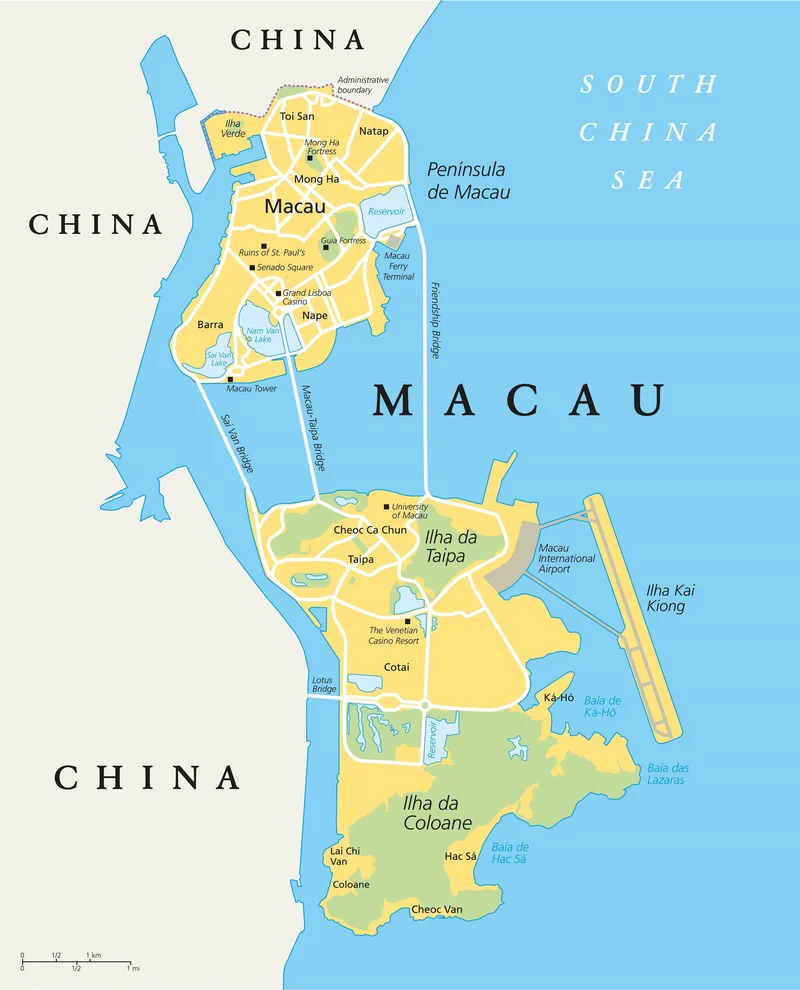
Why is this a game-changer? Think of it like this: imagine a sprawling network of interconnected nodes, each buzzing with specialized knowledge and expertise. For years, those nodes have been somewhat isolated. This new policy acts like a high-speed data cable, linking them together, allowing for the frictionless exchange of ideas and talent. The old model of restricted movement stifled innovation; this is about unleashing a torrent of creativity. And let’s not forget the extension of the “240-hour visa-free transit policy” to Hengqin Port and the Hong Kong-Zhuhai-Macao Bridge. That is huge!
A Catalyst for Collaboration
The implications are staggering. Consider the possibilities for scientific research. A team in Shanghai working on AI could seamlessly collaborate with experts in Hong Kong specializing in fintech, and legal scholars from Beijing, creating a powerhouse of innovation that can rapidly develop groundbreaking solutions. Or picture healthcare professionals from across the region converging in Macau to pioneer new treatments and technologies. This isn’t just incremental progress; it’s exponential growth fueled by the free flow of talent and ideas. What problems could be solved, what innovations sparked, by such open collaboration?
And let's be clear, the timing is perfect. Macau’s already proving its resilience, with analysts pointing to strong GGR numbers that suggest the city’s upcycle is well underway. This expanded visa policy isn’t just riding that wave; it’s poised to amplify it, attracting even more investment and expertise. It's the equivalent of adding rocket fuel to an already ascending trajectory. What new industries and opportunities might emerge from this confluence of factors?
Now, some might say, "Thirty days isn't much." But think about it: thirty days is enough time to forge crucial partnerships, conduct intensive workshops, and lay the groundwork for long-term collaborations. It’s enough time to plant the seeds of innovation that will blossom for years to come. And frankly, for many researchers and specialists, that’s all they need for a concentrated burst of collaborative work.
Of course, with every great leap forward comes responsibility. We need to ensure that this talent mobility is managed ethically and sustainably, that it benefits not just the elite but the entire community. We must safeguard against brain drain and ensure that local talent has the opportunity to thrive alongside their international counterparts. It's like giving someone a lightsaber, it can be used for good, or... well, you know.
When I first read about this expansion, I honestly just felt a surge of optimism. I mean, this is the kind of forward-thinking policy that can truly transform a region, unlocking its potential and propelling it to new heights. It’s a testament to the power of collaboration and the belief in the boundless capacity of human ingenuity. It's not just about visas and transit policies; it’s about building bridges and fostering a shared future.
The Dawn of a New Era
This policy isn't just about Macau; it's about a broader vision for regional integration and innovation. It's about creating a dynamic ecosystem where talent can flourish, ideas can converge, and the future can be shaped collaboratively. It's a bold move, and one that I believe will pay dividends for years to come. And what happens when the rest of the world sees how well this is working?
